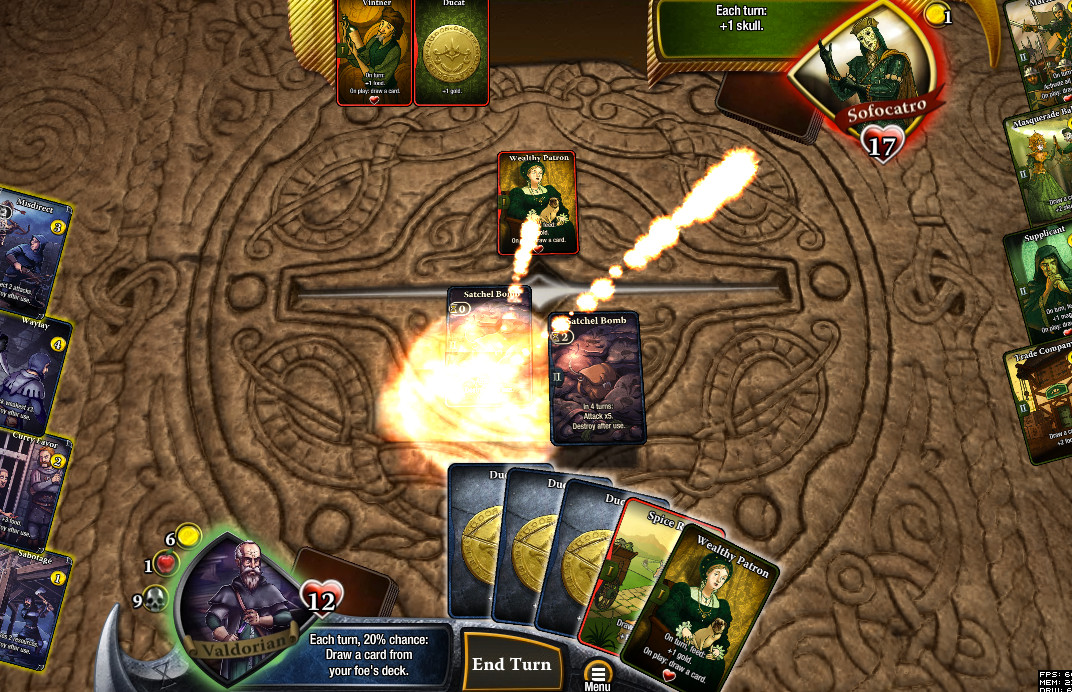
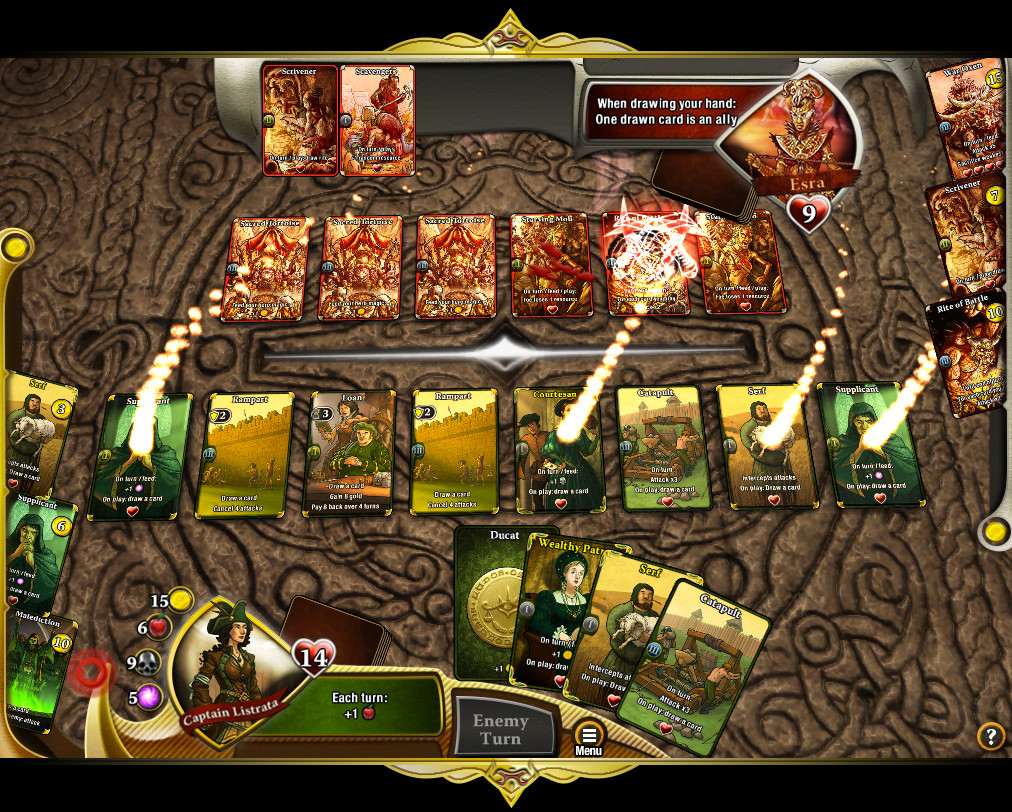
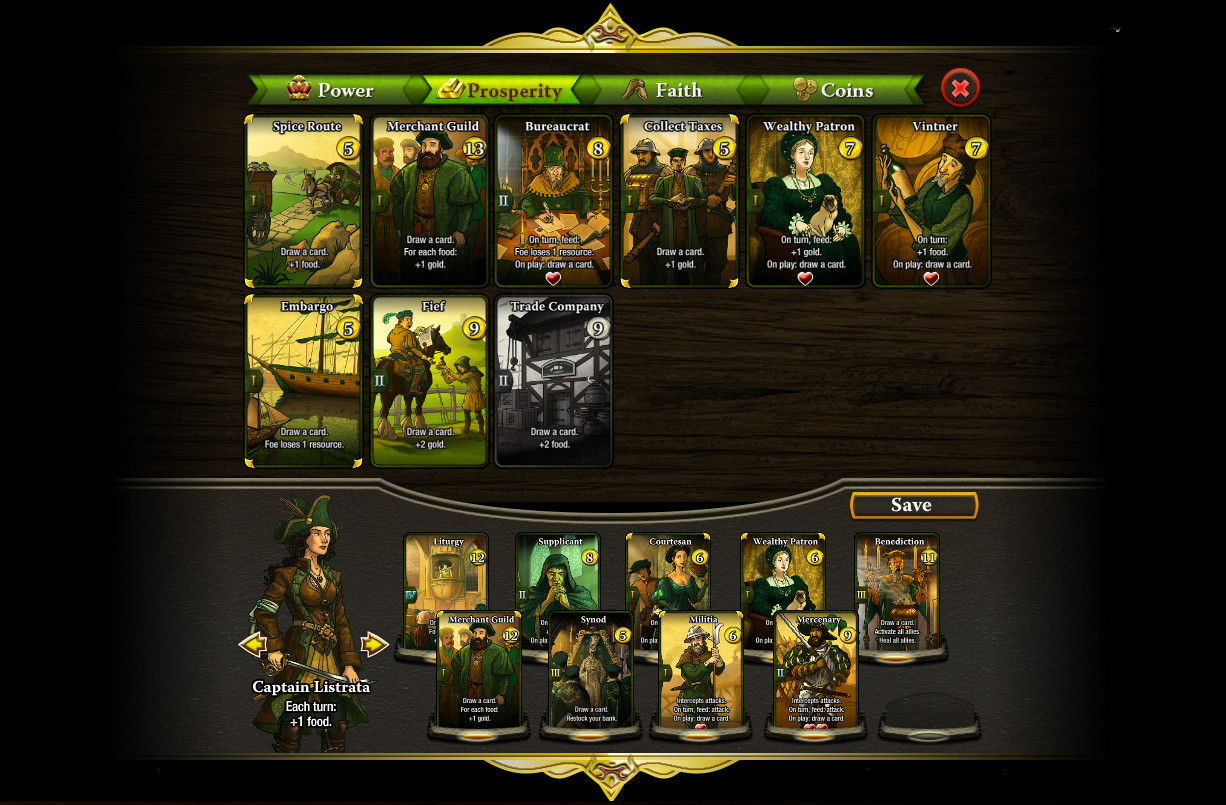
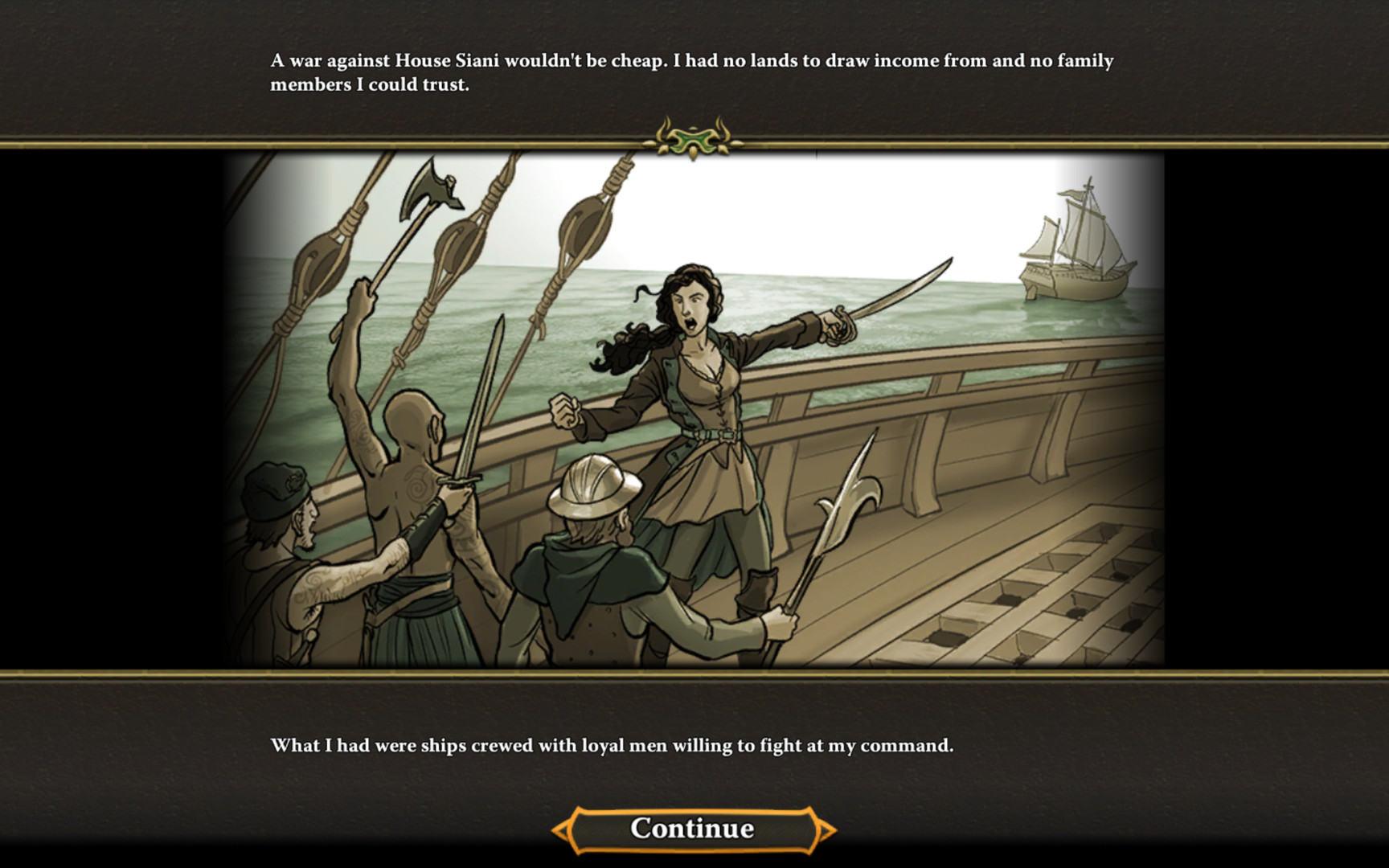
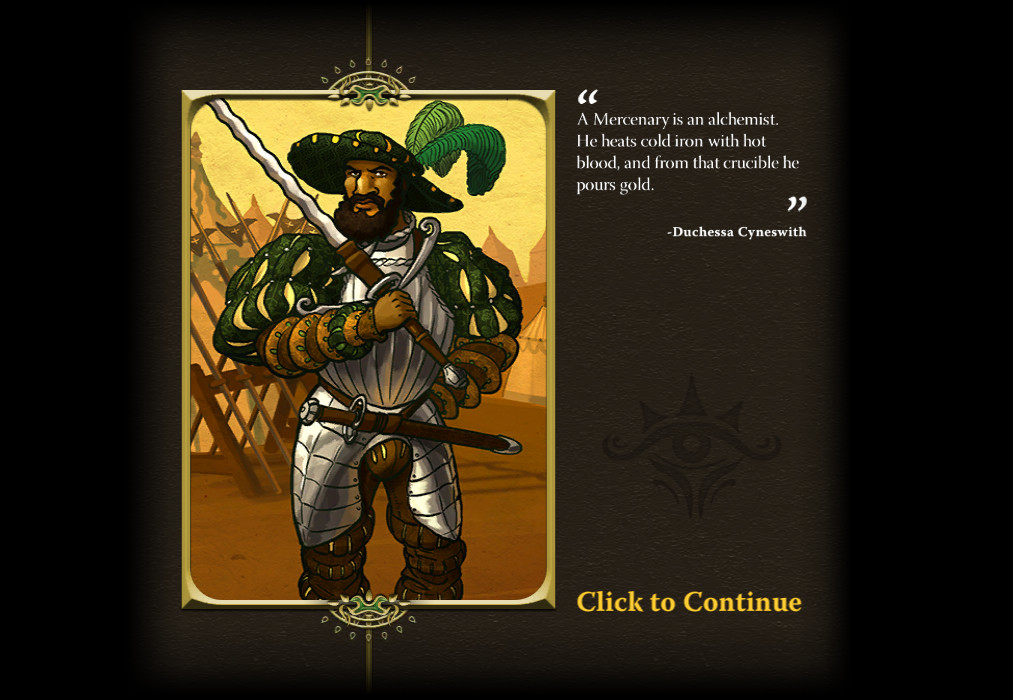
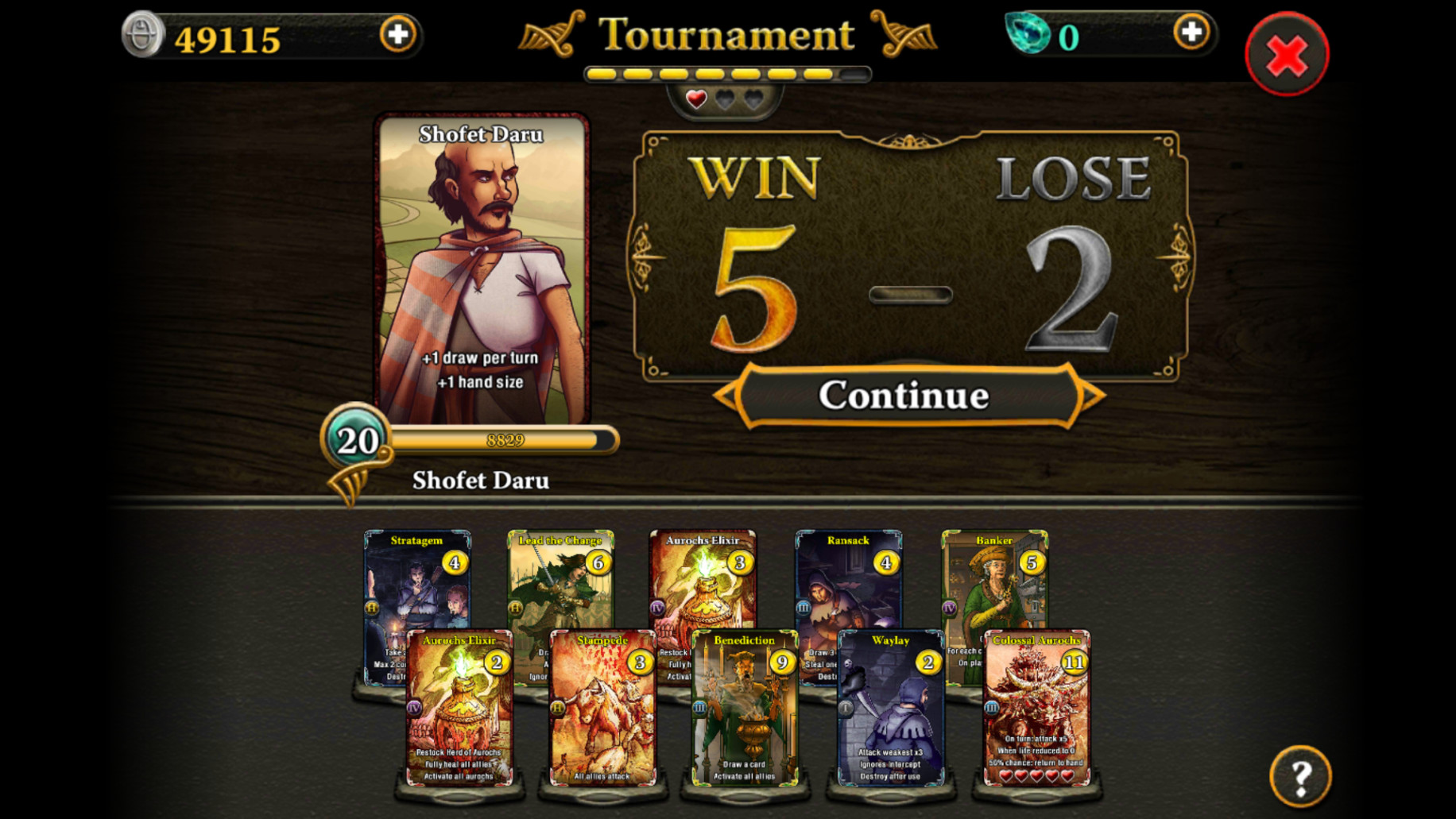
A free-to-play collectible card game with a deckbuilder at its core: each turn you buy
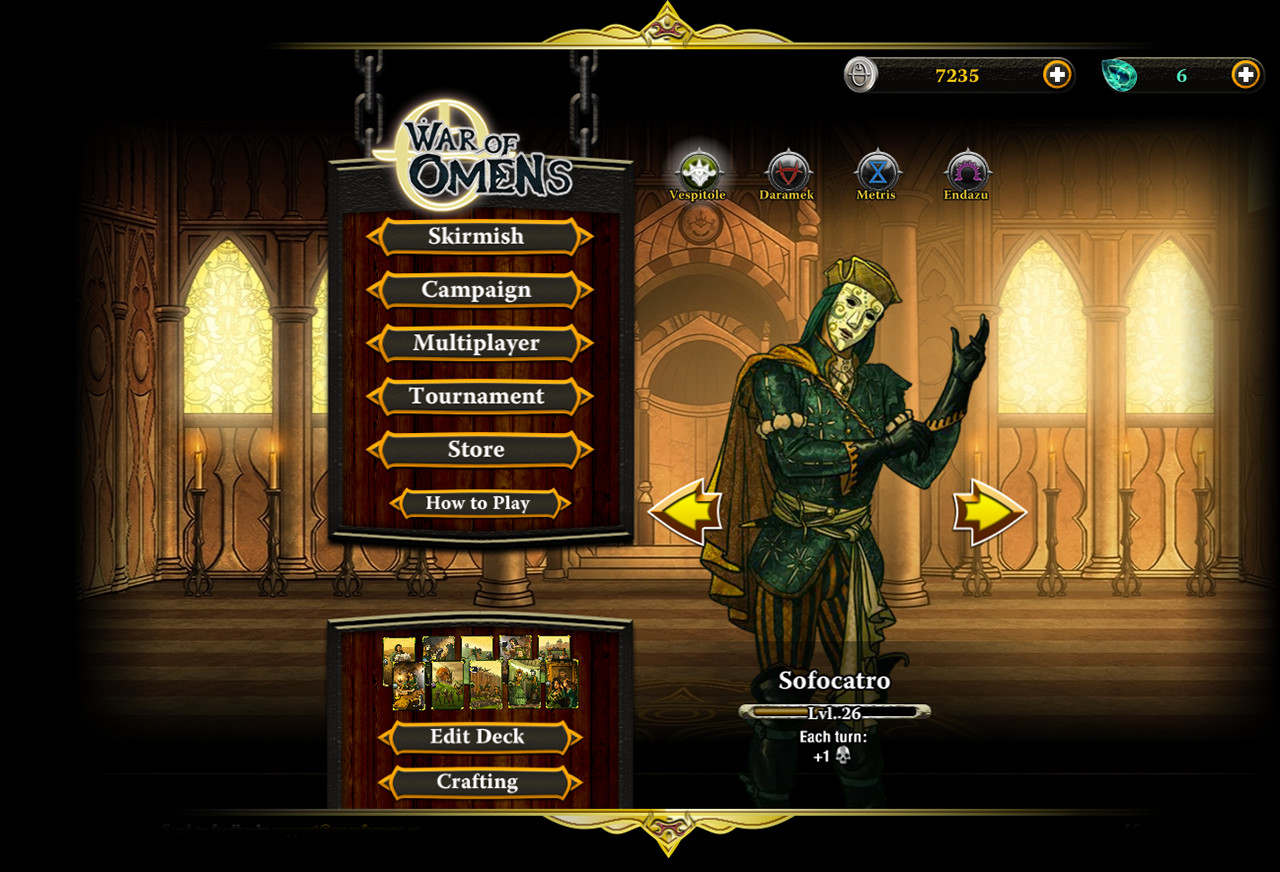
cards into your deck and spend them in the same fight. Four factions, more than twenty heroes,
a story campaign, ranked ladder and cross-faction draft, all cross-platform between Steam,
phone and web.
Made by Mike through Fifth Column Games and released on Steam in February
2019. He led programming and also worked on design. Every card can be earned through play.
CombatA full turnDeck editorHeroesStory campaignHand-drawn card artDraft tournamentKey art
Alternate reality game · 2019 · Emmy winner
Mr. Robot — Season_4.0 ARG
An alternate reality game extending the final season of Mr. Robot. It won the 2020
Primetime Emmy for Outstanding Interactive Extension of a Linear Program — the
first Emmy nomination and win for Fifth Column Games.
Produced by Fifth Column Games with USA Network and Ralph Interactive. The award also credits
producer Roxanne Paredes and writer Jeff McKibben. It beat Stranger Things' "Scoops
Ahoy: Operation Scoop Snoop" and Westworld's "Free Will Is Not Free."
TODO — a link to the ARG itself. Also confirm how you want your own role
described — the trade coverage quotes you as Fifth Column's COO, which isn't the same as a
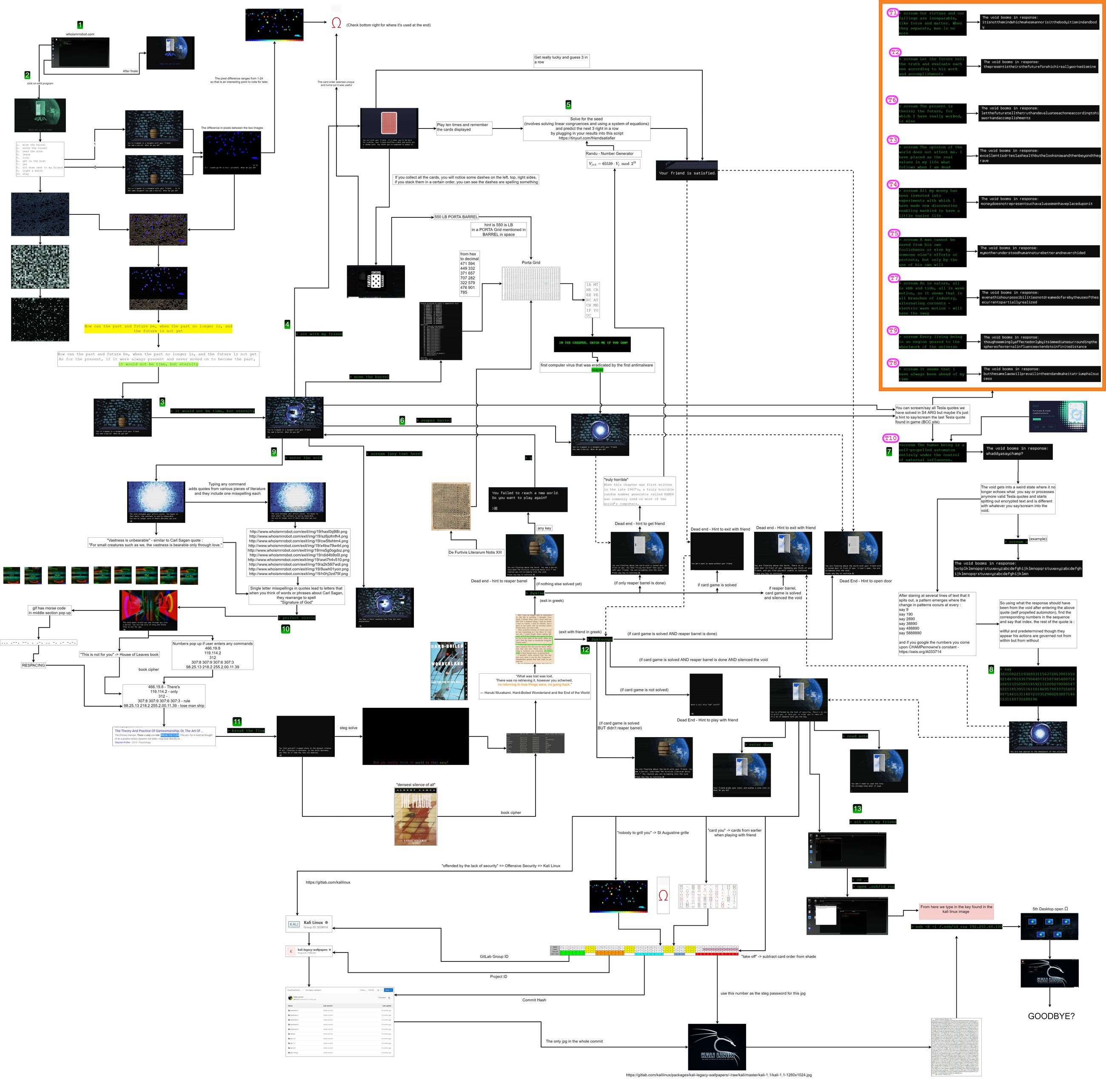
credit line. And confirm who drew the solve map below before this goes live: its annotations
read player-side, so it may be the community's work rather than the team's.
The puzzles
Most of what the ARG asked people to do was look harder at a file they already
had. These are production artifacts, shown as delivered and again with the hidden layer
brought up.
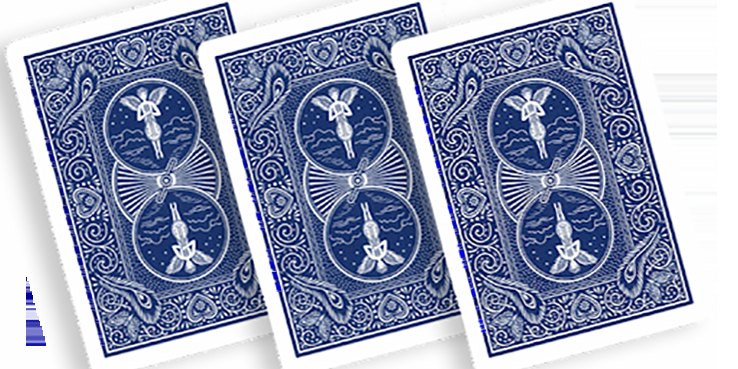
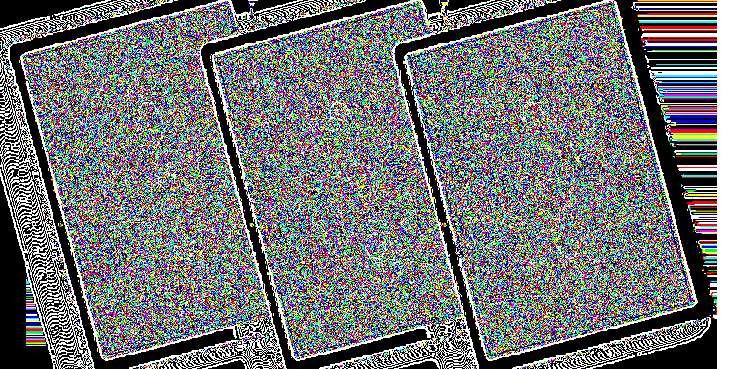
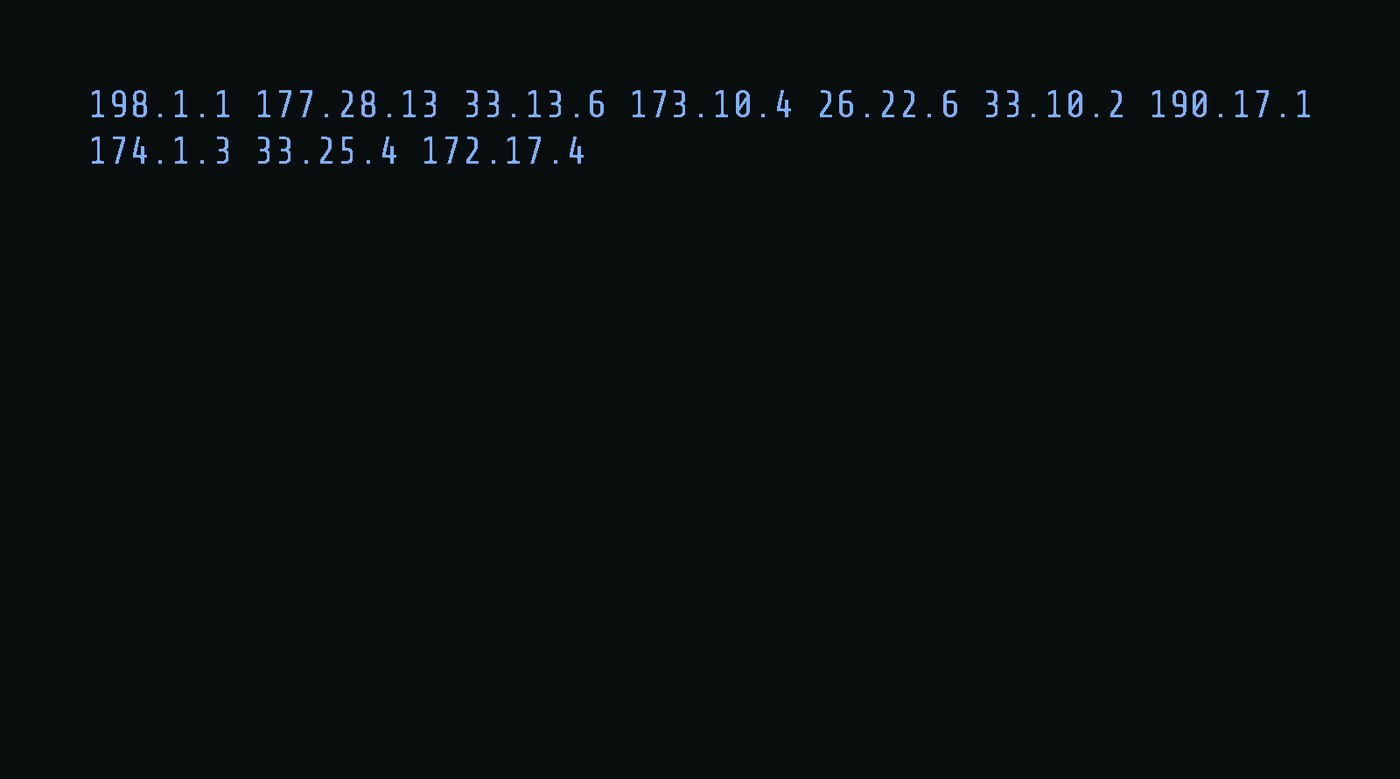
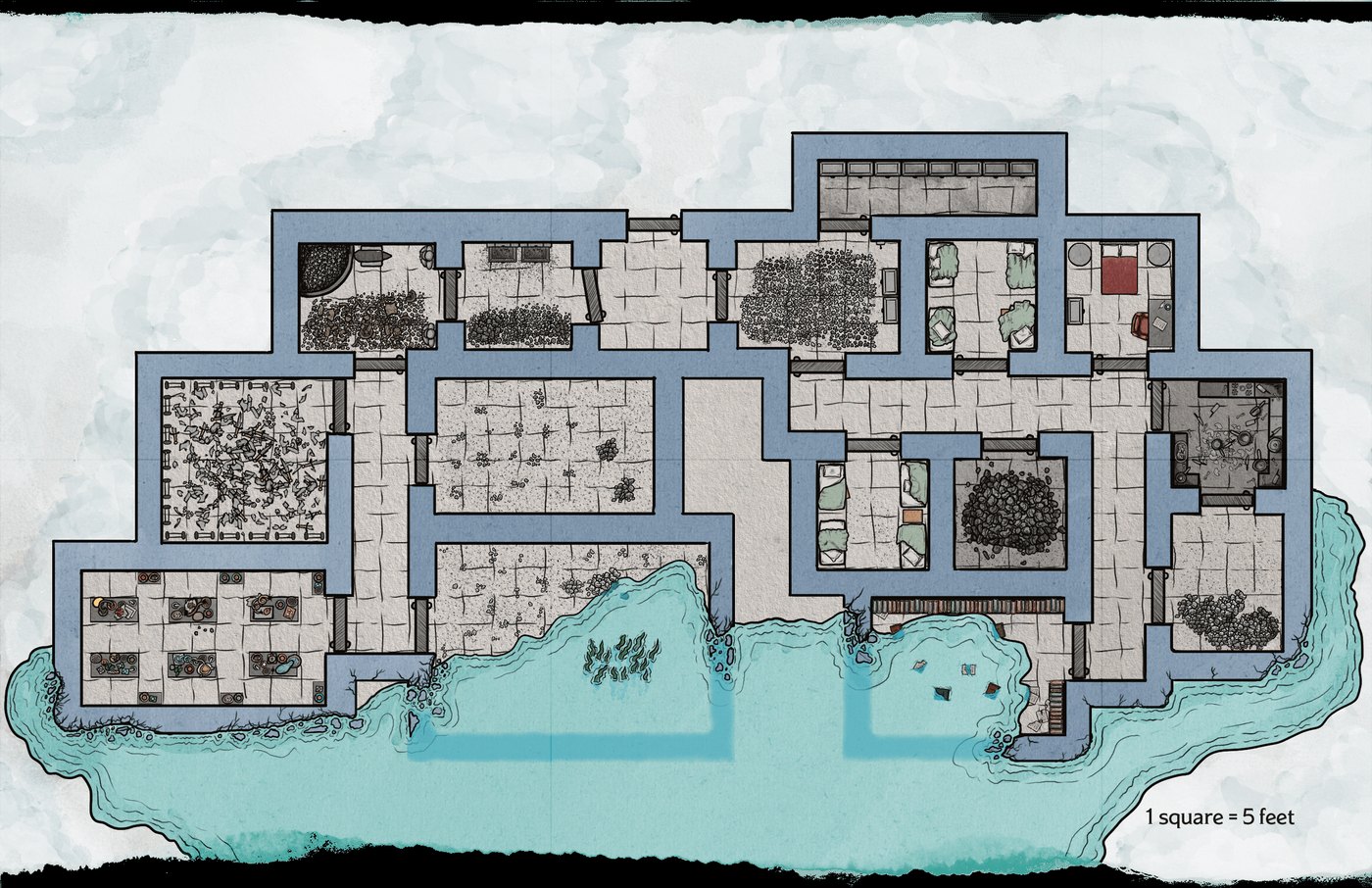
The clue, as publishedIts lowest bit — the payloadA blank frameBlue channel, at 1 of 255Almost nothingLevels raised — the colours are the messageSi Stebbins, who ordered the deckSal's Vault — the player mapThe whole game, solved
The solve map is roughly 9,900 pixels square at full
size — every screen, cipher, wrong turn and hint in one sheet. Open it and zoom.
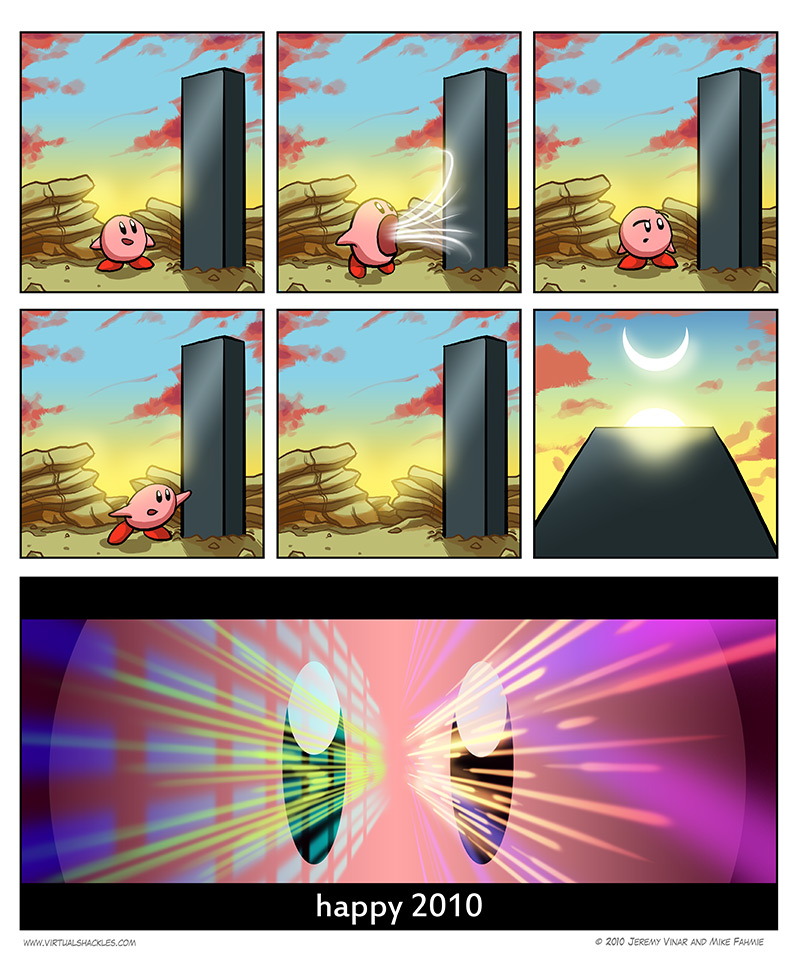
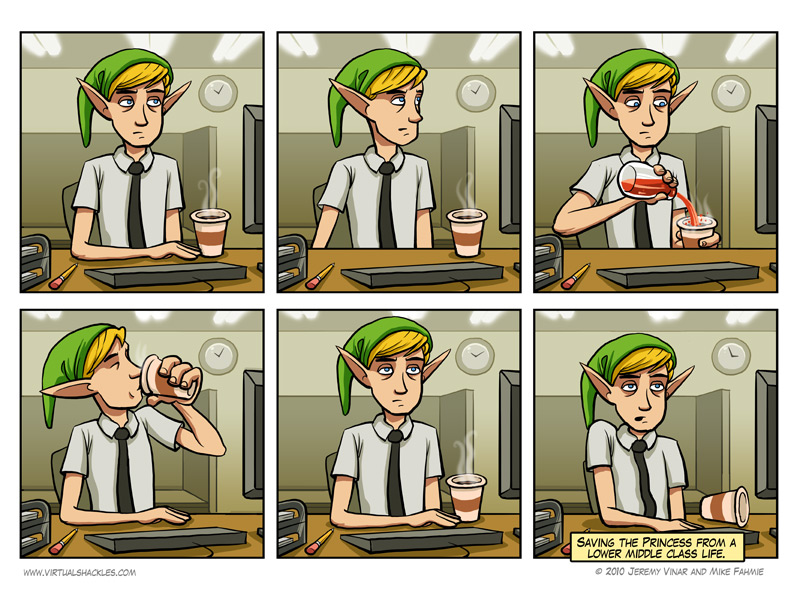
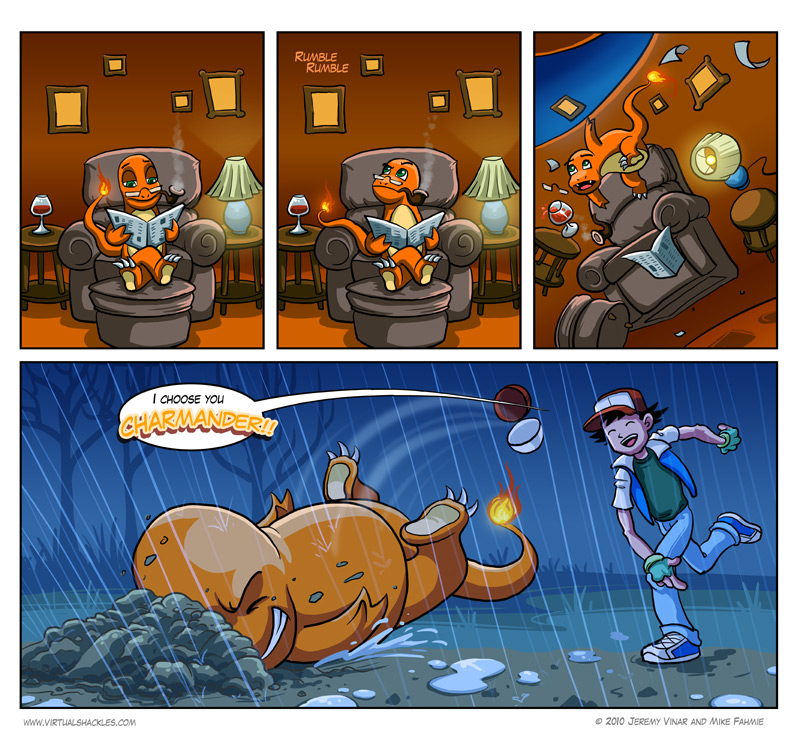
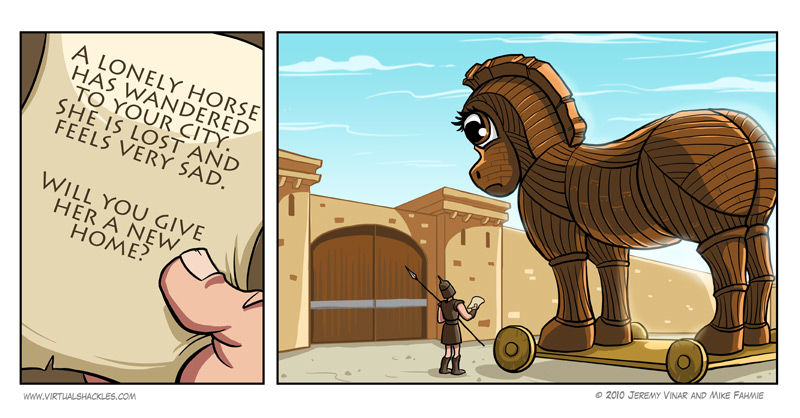
Webcomic · 2009–2013 · 422-comic run · 432 archive entries
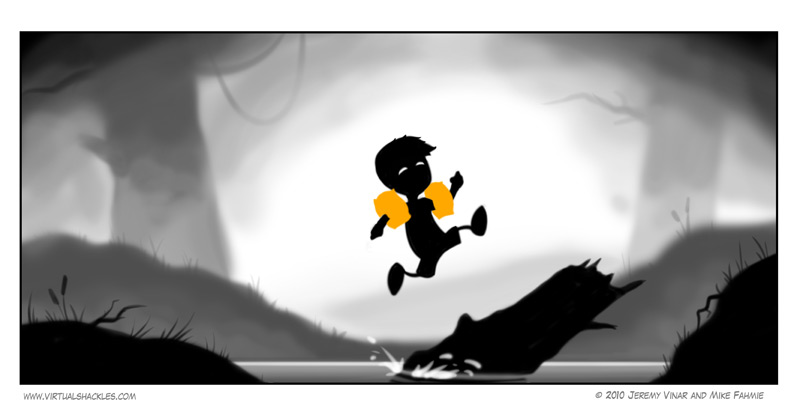
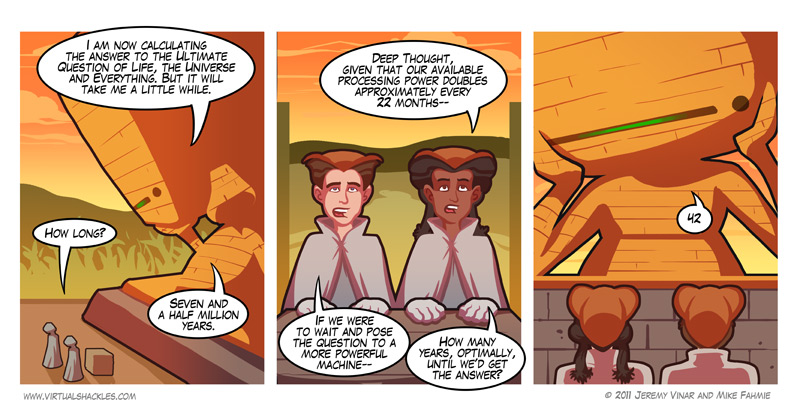
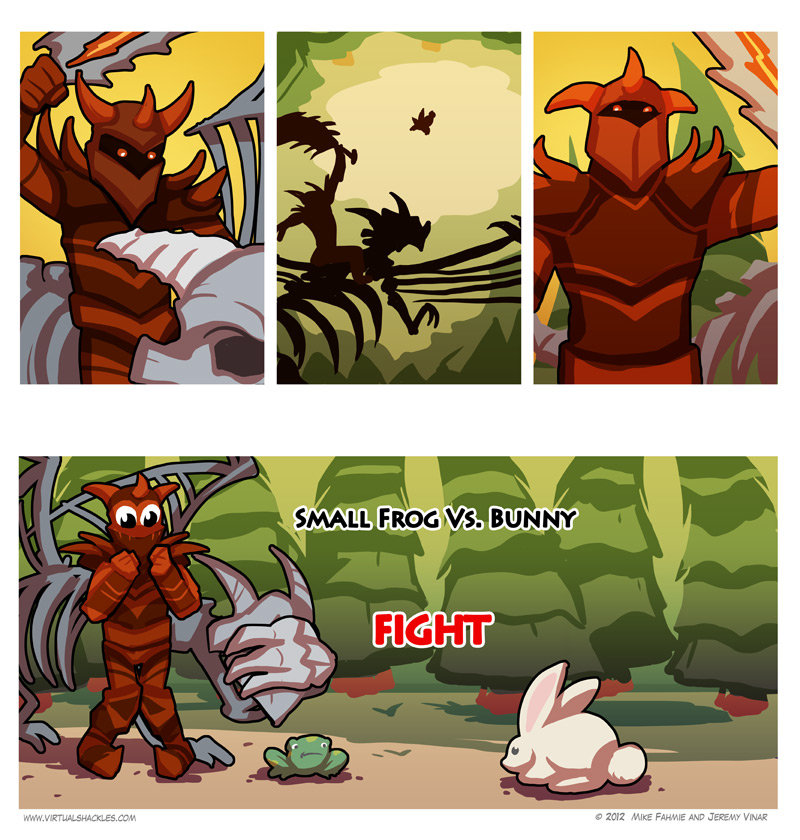
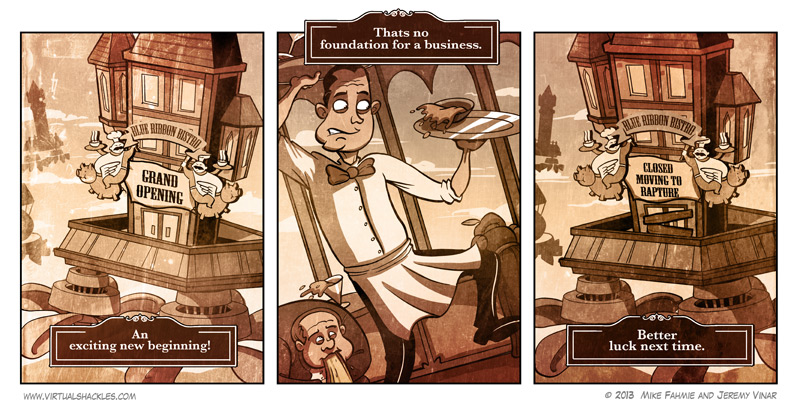
Virtual Shackles
A gaming webcomic by Mike Fahmie and Jeremy Vinar, published twice a week for
nearly four years. It ran to 422 comics and ended, deliberately, in June 2013 — the last strip is
about ending it.
The original domain has since lapsed and now points somewhere unrelated. This
site's archive was reconstructed from recovered source files and the
Internet
Archive's 2014 capture.
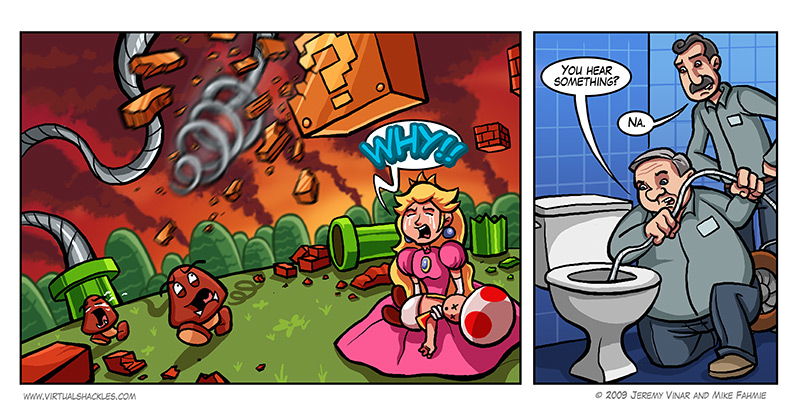
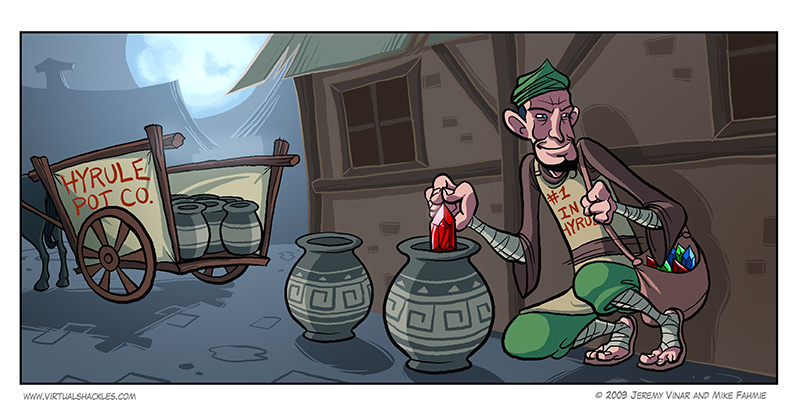
A selection from the full archive: 431 recovered images
across all 432 numbered entries, with the sole missing image retained in sequence.
Installation · February 2005
Post-it Mario
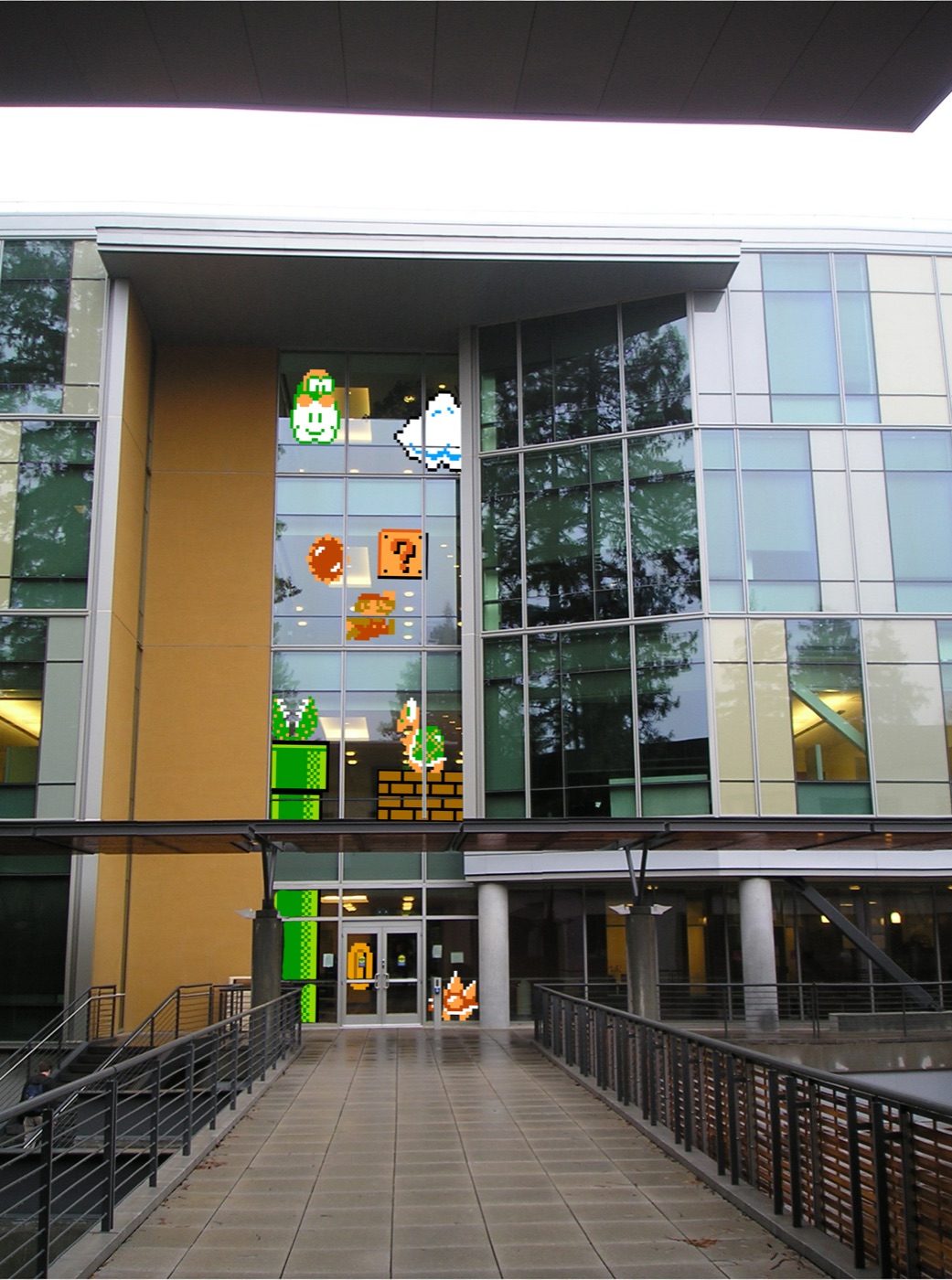
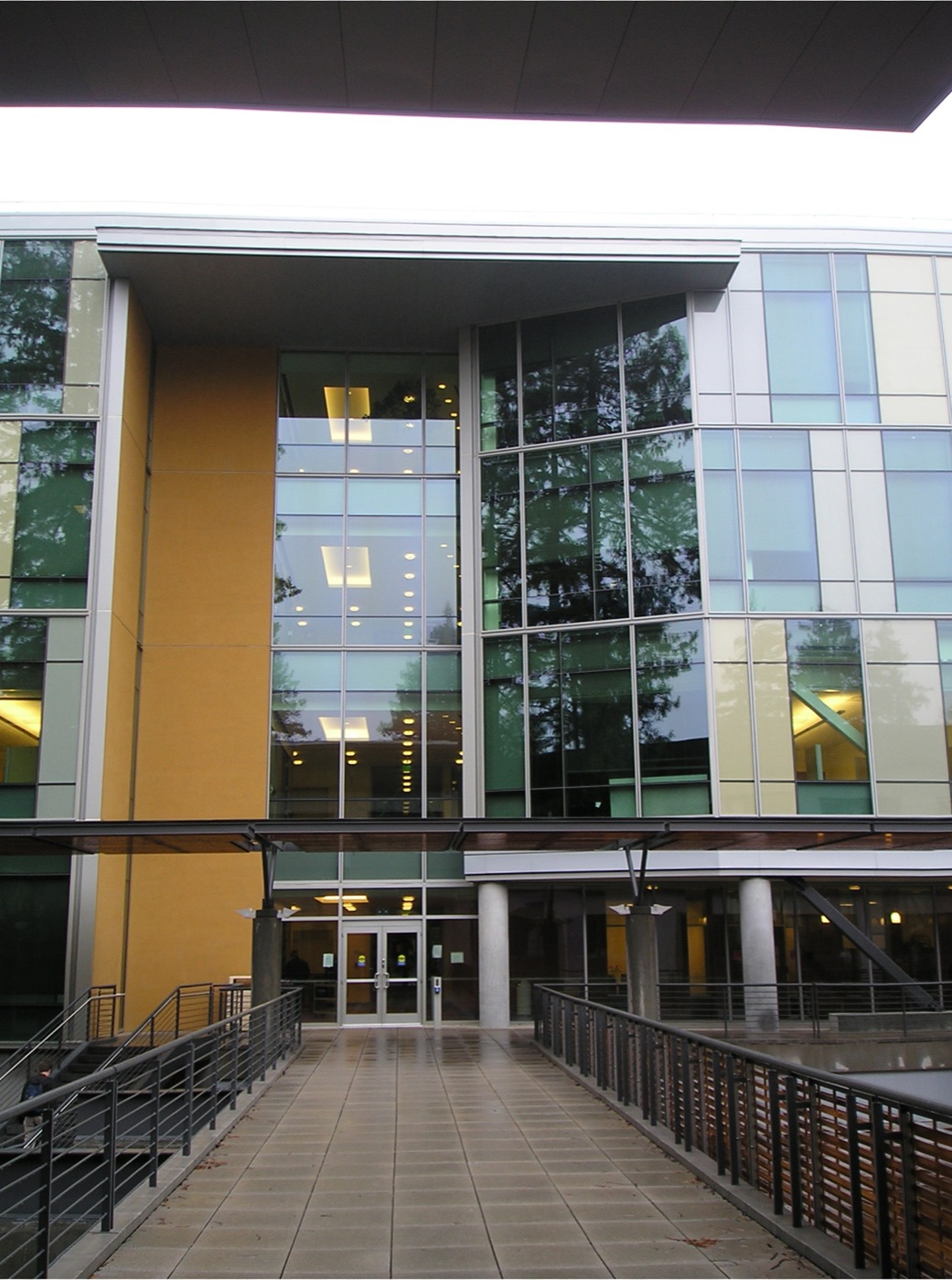
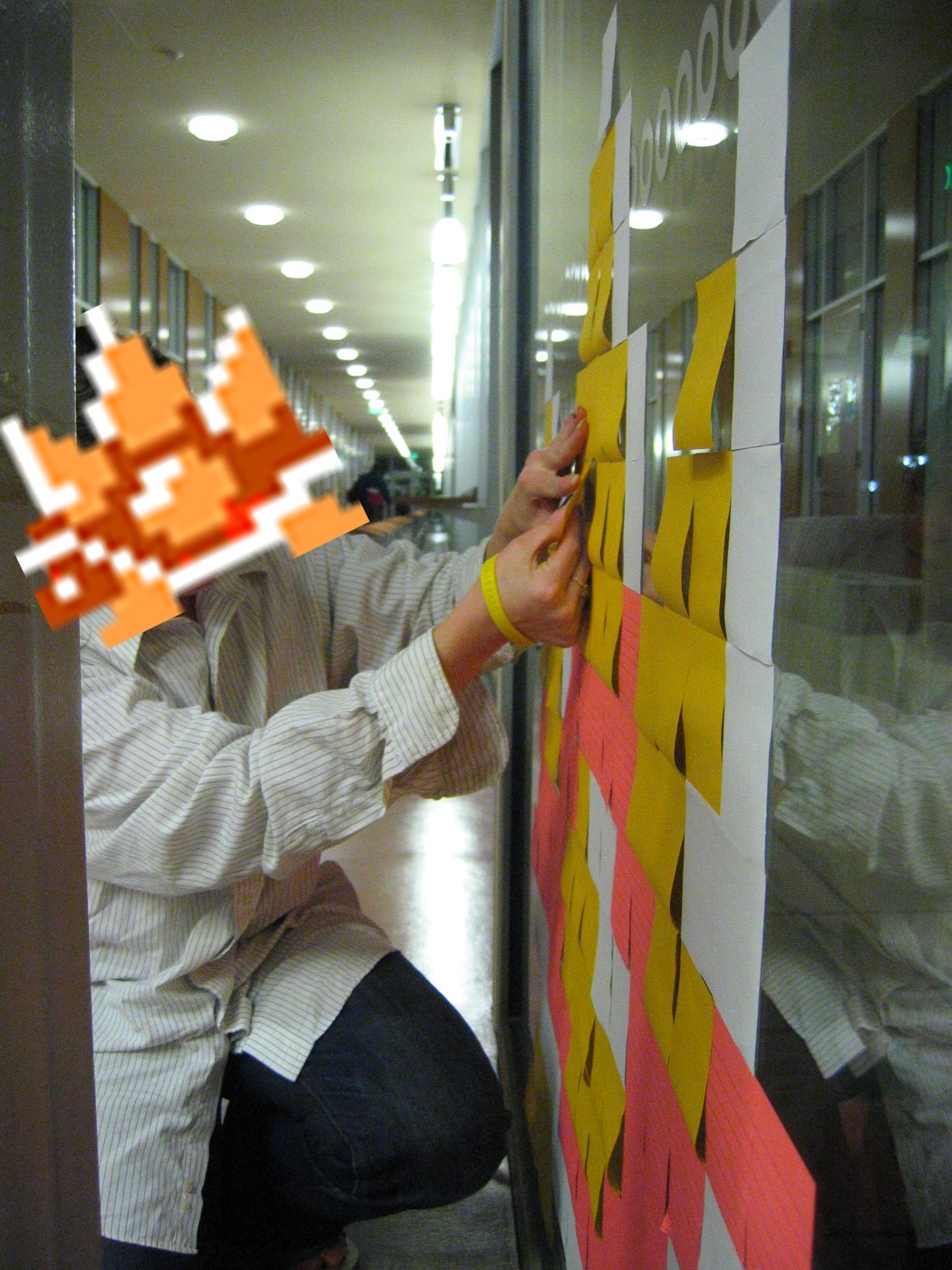
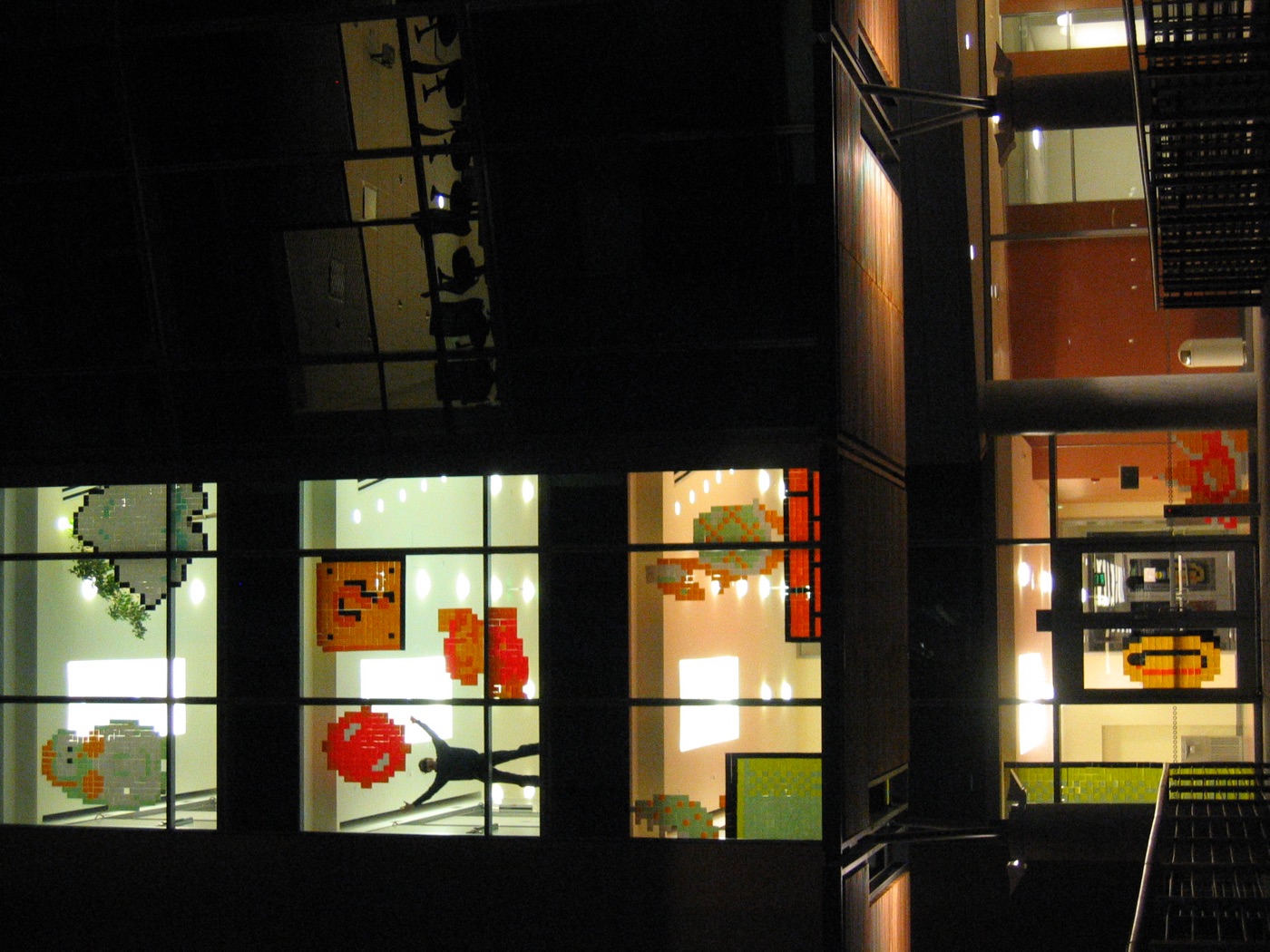
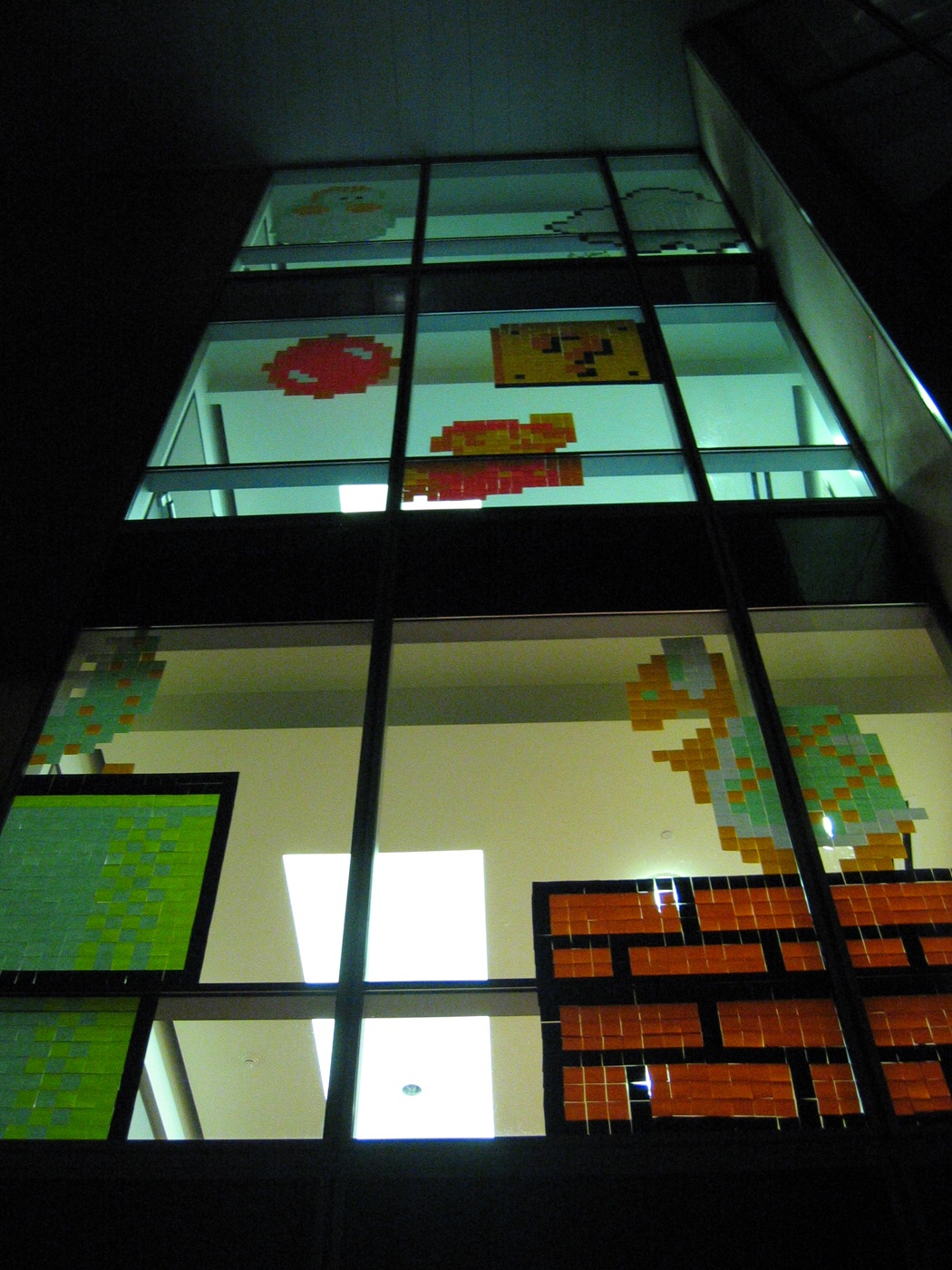
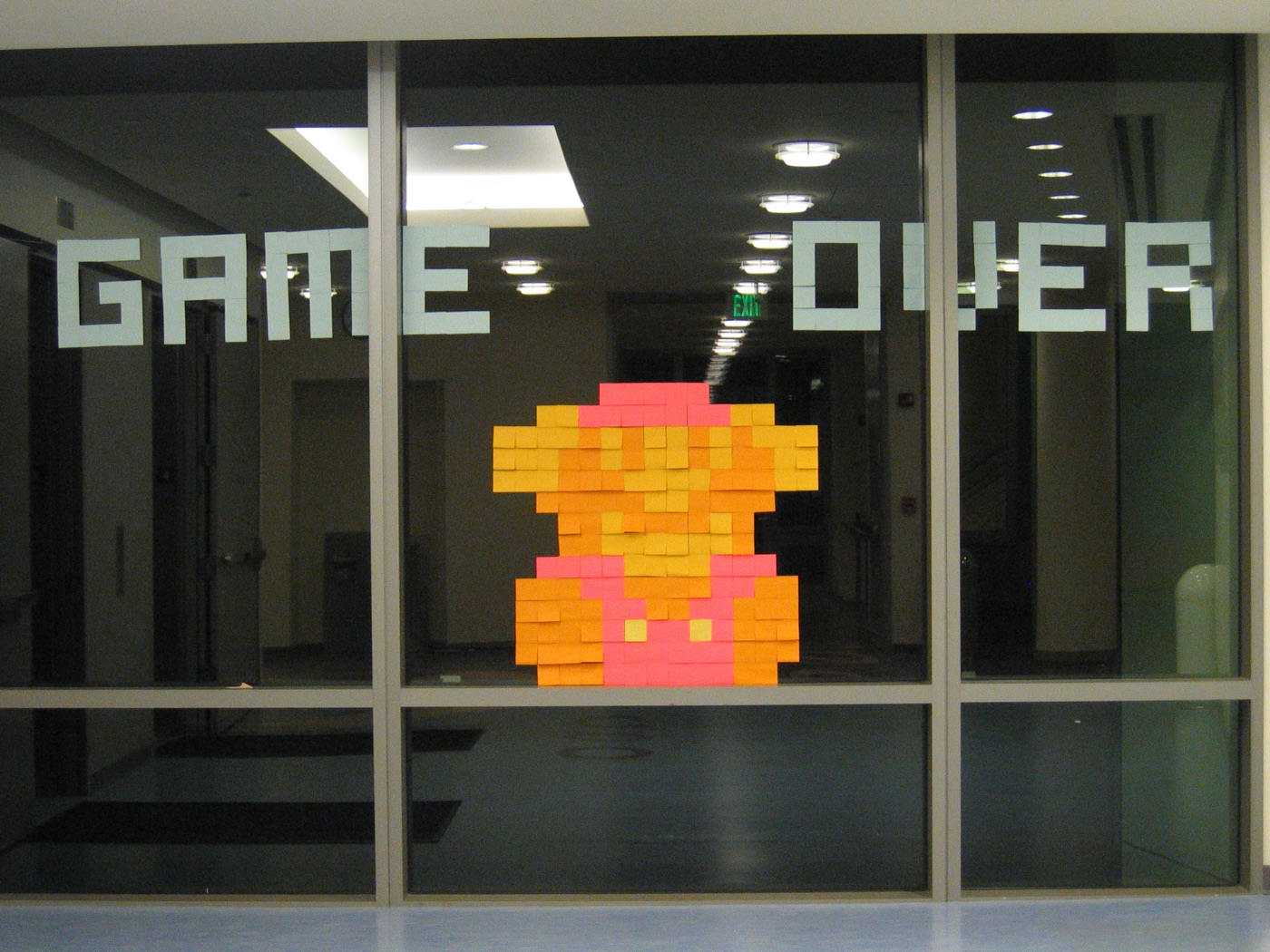
An 8-bit Mario world built across four floors of a university building's windows out of Post-it
notes — designed as a mockup first, then put up in a single night. The photographs below are
timestamped 11:03 PM to 12:02 AM.
The mockupBeforeGoing up11:26 PM — completeGround viewGame over
TODO — you mentioned this one went viral, and the
salvaged archive contains a folder named NintendoPower-PostitMario.
Neither claim is stated above, because a folder name isn't a citation and a search didn't turn
up a source. Give me the Nintendo Power issue and any coverage links and I'll put the
reach back in — it's the strongest thing about this project.
Archive — UCSC, 2001–2003
Computer engineering · June 2001
M.A.A.R. — Map Acquiring Autonomous Rover
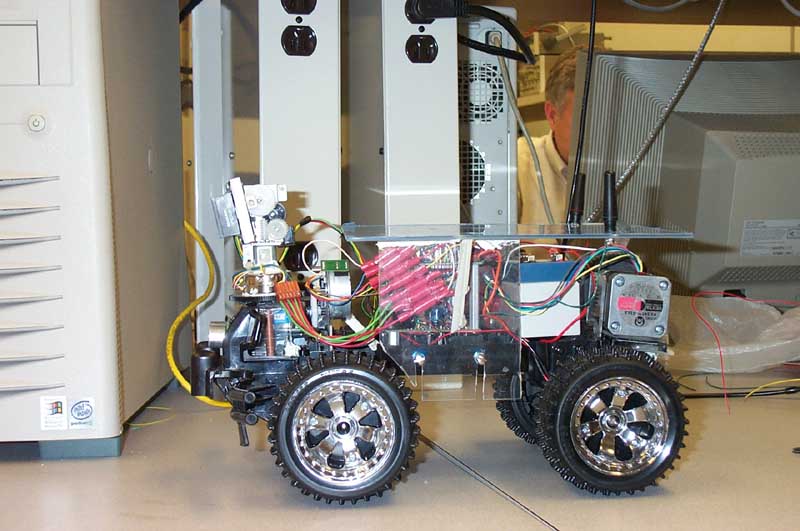
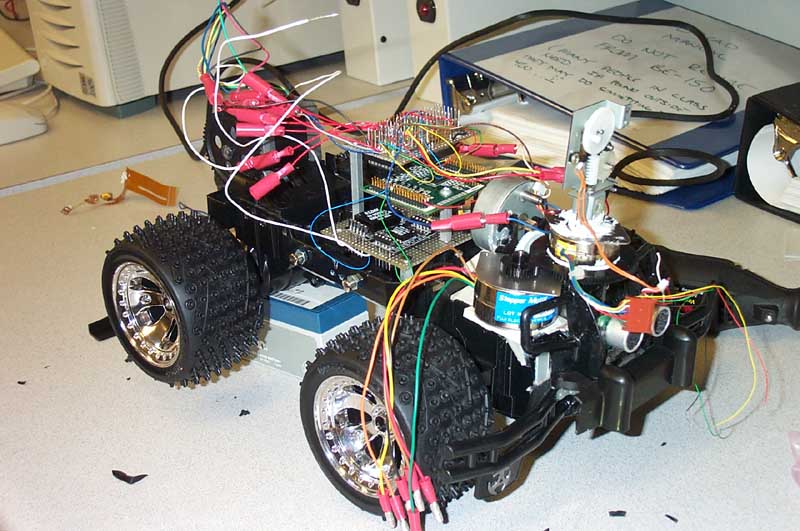
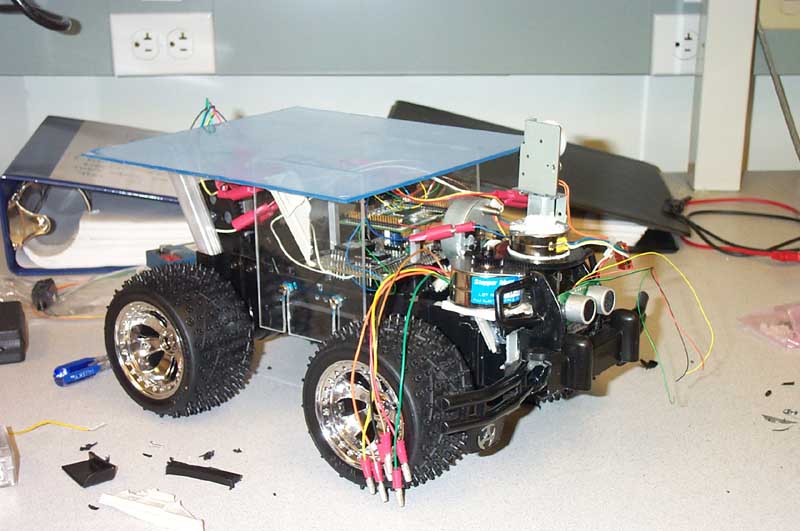
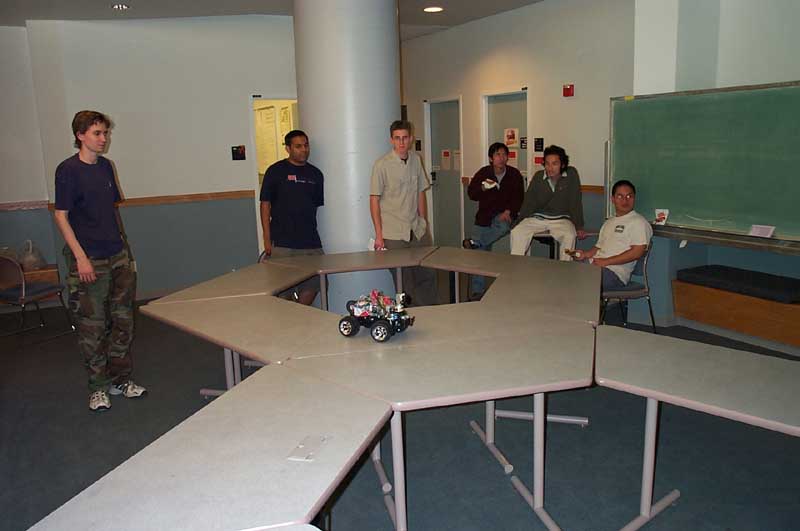
A rover built on a Rabbitcore Z-180 microcontroller. A swiveling infrared distance sensor
swept the forward 270° arc to build a distance map, which was translated into a surface height
map and used for route selection. The height map went back to a base station over CRC-encoded
RF, along with coordinates, to assemble a map of the explored territory.
CompletedChassisTop plate onDemo
Computer graphics · March 2001
Cubelor — stereogram generator
Written in C with X-Forms and OpenGL on Unix. A basic 3D modeler plus an image loader,
generating stereograms — Magic Eye images — from 3D scenes.
Archive
X.I.A.T.
TODO — description. The original write-up is still up at
yikes.com/~pengo/xiat.html
if you want to adapt it rather than rewrite.